

Guide To Fresh Roasted Arabica Coffee Beans: The Intermediate Guide In…
Maxie Blumenthal
2024.09.21 09:18
53
0
본문
Arabica Coffee Beans - Smoother, Sweeter and More Nuanced
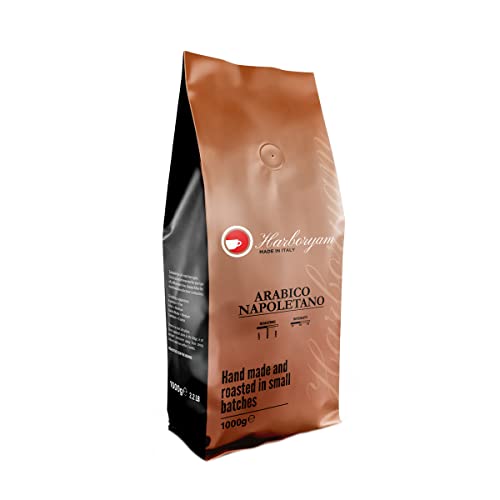 artisan arabica coffee beans beans are more delicate, sweeter and possess more nuanced flavours than other coffee types. They're often used in coffee blending for well-rounded, balanced flavor.
The first crack is just beginning to appear and the roast looks mottled with visible chaff near the crease. No bean expansion is evident.
Freshly Roasted
Arabica beans are regarded as to be the best in the world. These coffee beans are best grown in tropical regions and have a rich, intense flavour. They are also known for their delicate scents. Chocolate, berry, and citrus are some of the notes that are found in coffee. Other flavours may be present, based on the region in which the coffee was produced. Roasting arabica beans is what gives it its distinctive flavor. This is why it is crucial to buy freshly coffee beans that have been roasted, as they will yield a superior cup of joe. The beans should have a strong fragrance and a shiny appearance when they are Fresh Roasted Arabica Coffee Beans. This means that they have been roasting recently and are still infused with all the natural oils.
The best place to buy freshly roasted arabica is at a specialty or local coffee shop. These coffee shops roast their own beans and offer them at more than the coffee shops that sell them at a lower cost. They may also offer various roasts and blends to suit the preferences of customers. The beans that are sold in these shops are typically roasting just a few days before they are sold, giving them a superior flavour and intensity that you can't find in beans sold at the supermarket.
It doesn't matter whether you like light, medium or dark roast beans. Buying the freshest beans is crucial. The longer the beans are stored and roasted, the more they lose flavor and texture. It is also recommended to purchase coffee beans only from suppliers who employ sustainable arabica coffee beans farming practices. This means that the beans were produced without the use of pesticides or other chemicals. This ensures that coffee is both delicious and green.
Apart from its distinctive flavor, a freshly roasted arabica beans has many health benefits. It contains phytonutrients and antioxidants that protect the body against disease. It aids in regulating blood pressure and also contains magnesium and potassium. In addition to these health benefits arabica beans in coffee is low in calories.
If you want to get the most out from your cup of coffee experiment with different brewing techniques. The drip method and cafetiere method are both excellent alternatives for making arabica coffee. The first method requires an brewer to filter the coffee's ground beans through boiling hot water. The second method involves placing coarsely ground arabica beans in the pot, and letting it steep for a few moments.
Non-GMO
The coffee bean is a well-known food item with numerous health benefits. It is also known as a powerful antioxidant that is able to prevent certain types of cancer. The caffeine in this drink may also stimulate your brain, thereby increasing alertness and reducing stress. It also contains copper, magnesium, and potassium. The choice of non-GMO roasted arabica beans is crucial for health-conscious consumers. However, there are several aspects to be aware of when choosing an organic product.
One of the most important elements is a confirmation from an independent third-party that the beans have been certified as non-GMO. The verification process involves testing the beans for GMO contaminants and verifying that they are grown in a natural environment free from contamination by GMOs. Verification is essential as it allows consumers to avoid products that contain genetically modified ingredients.
The Non-GMO Project Verified coffee is available both in whole beans and ground. It comes from the Kimel Estate, Papua New Guinea. It is a dark-roasted coffee that has a rich flavor and a substantial body. It is a little chocolate, citrus, and vanilla. It is also a moderate roast, meaning that it's not too bitter or overwhelming. Its complex flavor makes it a good option for those looking to try something different.
The beans that are used in this blend are grown beneath the canopy of native trees. This helps to preserve the habitat of migratory bird species. The Smithsonian Migratory Bird Center has also certified them as Bird Friendly. Rainforest Alliance Certified coffee means that the farmers safeguard natural water bodies and adhere to sustainable land-use. They also offer safe conditions for their employees.
This coffee that is non-GMO is a fantastic choice for health-conscious customers. It is organic, which means it doesn't contain any synthetic chemicals or pesticides. It also has a lower acrylamide content, which is helpful for your health. Acrylamide is a chemical that is produced in food products when they are cooked for too long or at high temperatures. It has been linked to a number of diseases, such as cancer.
Variety
The kind of beans you choose to use can make a significant difference in the flavor of your coffee. To experience a true Arabic coffee experience, look for beans that are of high-quality arabica recognized for their balanced flavor profile and lower acidity. To ensure the fresh roasted arabica coffee beans taste and aroma, make sure that the beans are freshly roasting and fresh. Choose the appropriate grind to your preferred brewing technique.
A light roasted Arabica bean is a great choice to introduce yourself to the world of coffee. This type of roast helps bring out the distinct flavors in the bean, allowing you to enjoy notes such as cocoa, peanuts dry wine, and flowers. Light roasted arabica coffee beans are more smooth than darker varieties but they still have the citrus and fruity aromas of premium coffee.
Medium roasted arabica is also a excellent option. It is a favourite by arabica lovers because it balances complexity and delicacy while still maintaining a smoothness that allows you to fully appreciate the flavors of the beans. Medium roasts can also help reduce the acidity of the coffee, which can be problematic for people with digestive issues.
Dark arabica coffee that has been roasted is also available. However, it is more often used in recipes than for the cup of coffee due to its depth and richness. The more intense the roast the more coffee will develop burnt and bitter flavors that some find enjoyable.
The region where arabica coffee is grown, and the method of processing employed can also impact the taste. For example, the soil type and altitude could have an impact on the aroma of the beans and the way they are handled and soaked prior to drying can influence their flavour. The beans are also cleaned after harvesting and could have a significant impact on the taste of the final product.
Although the caffeine in coffee is diuretic, it contains some important nutrients, like magnesium, potassium and vitamin B5. The chlorogenic acid found in arabica coffee is an effective antioxidant that has the ability to fight certain illnesses.
Freshness
The freshness of coffee beans can make an enormous difference to the overall aroma, flavor and quality of your cup of joe. Freshly roasted coffee beans have an incredibly aromatic and delicious taste than the older ones. The lipids and oils that are on the surface of freshly roasted beans begin to lose moisture over time. This causes a loss of flavor. In addition older beans are more likely to take on unpleasant smells from other nearby food or drinks.
Whole beans that have been roasting are optimal between four and 14 days after roasting. This varies based on the beans used and the roaster. They can be kept for up to a year in vacuum-sealed containers. However, they will lose their aroma and taste if exposed to heat, light or an odourous environment.
Freshly roasted coffee beans can be stored in an airtight jar in a cool and dry place. The beans can be frozen for up to a month if they are not opened.
When purchasing roasted coffee You should search for brands that promote sustainable practices for growing and ethical sources. In addition, you should also look for products that offer detailed Delta information about the beans origin, processing and flavour profile.
The amount of roasting you do can have a profound impact on the taste of a cup, but it should be done carefully to ensure the antioxidants present in the bean. The type of bean and its geographic origin can have a significant influence on how many antioxidants are left intact after roasting. The type of processing (washed, natural or dried) and drying method also impact antioxidant levels.
There's no one-size-fits-all answer, but it's widely agreed that medium-roasted beans are the most delicious. This is because a moderate roast will preserve the acidity, sweetness and fruitiness of the beans while bringing out the subtle, complex flavours. Dark-roasted beans however, can be too intense and bitter for most drinkers.
artisan arabica coffee beans beans are more delicate, sweeter and possess more nuanced flavours than other coffee types. They're often used in coffee blending for well-rounded, balanced flavor.The first crack is just beginning to appear and the roast looks mottled with visible chaff near the crease. No bean expansion is evident.
Freshly Roasted
Arabica beans are regarded as to be the best in the world. These coffee beans are best grown in tropical regions and have a rich, intense flavour. They are also known for their delicate scents. Chocolate, berry, and citrus are some of the notes that are found in coffee. Other flavours may be present, based on the region in which the coffee was produced. Roasting arabica beans is what gives it its distinctive flavor. This is why it is crucial to buy freshly coffee beans that have been roasted, as they will yield a superior cup of joe. The beans should have a strong fragrance and a shiny appearance when they are Fresh Roasted Arabica Coffee Beans. This means that they have been roasting recently and are still infused with all the natural oils.
The best place to buy freshly roasted arabica is at a specialty or local coffee shop. These coffee shops roast their own beans and offer them at more than the coffee shops that sell them at a lower cost. They may also offer various roasts and blends to suit the preferences of customers. The beans that are sold in these shops are typically roasting just a few days before they are sold, giving them a superior flavour and intensity that you can't find in beans sold at the supermarket.
It doesn't matter whether you like light, medium or dark roast beans. Buying the freshest beans is crucial. The longer the beans are stored and roasted, the more they lose flavor and texture. It is also recommended to purchase coffee beans only from suppliers who employ sustainable arabica coffee beans farming practices. This means that the beans were produced without the use of pesticides or other chemicals. This ensures that coffee is both delicious and green.
Apart from its distinctive flavor, a freshly roasted arabica beans has many health benefits. It contains phytonutrients and antioxidants that protect the body against disease. It aids in regulating blood pressure and also contains magnesium and potassium. In addition to these health benefits arabica beans in coffee is low in calories.
If you want to get the most out from your cup of coffee experiment with different brewing techniques. The drip method and cafetiere method are both excellent alternatives for making arabica coffee. The first method requires an brewer to filter the coffee's ground beans through boiling hot water. The second method involves placing coarsely ground arabica beans in the pot, and letting it steep for a few moments.
Non-GMO
The coffee bean is a well-known food item with numerous health benefits. It is also known as a powerful antioxidant that is able to prevent certain types of cancer. The caffeine in this drink may also stimulate your brain, thereby increasing alertness and reducing stress. It also contains copper, magnesium, and potassium. The choice of non-GMO roasted arabica beans is crucial for health-conscious consumers. However, there are several aspects to be aware of when choosing an organic product.
One of the most important elements is a confirmation from an independent third-party that the beans have been certified as non-GMO. The verification process involves testing the beans for GMO contaminants and verifying that they are grown in a natural environment free from contamination by GMOs. Verification is essential as it allows consumers to avoid products that contain genetically modified ingredients.
The Non-GMO Project Verified coffee is available both in whole beans and ground. It comes from the Kimel Estate, Papua New Guinea. It is a dark-roasted coffee that has a rich flavor and a substantial body. It is a little chocolate, citrus, and vanilla. It is also a moderate roast, meaning that it's not too bitter or overwhelming. Its complex flavor makes it a good option for those looking to try something different.
The beans that are used in this blend are grown beneath the canopy of native trees. This helps to preserve the habitat of migratory bird species. The Smithsonian Migratory Bird Center has also certified them as Bird Friendly. Rainforest Alliance Certified coffee means that the farmers safeguard natural water bodies and adhere to sustainable land-use. They also offer safe conditions for their employees.
This coffee that is non-GMO is a fantastic choice for health-conscious customers. It is organic, which means it doesn't contain any synthetic chemicals or pesticides. It also has a lower acrylamide content, which is helpful for your health. Acrylamide is a chemical that is produced in food products when they are cooked for too long or at high temperatures. It has been linked to a number of diseases, such as cancer.
Variety
The kind of beans you choose to use can make a significant difference in the flavor of your coffee. To experience a true Arabic coffee experience, look for beans that are of high-quality arabica recognized for their balanced flavor profile and lower acidity. To ensure the fresh roasted arabica coffee beans taste and aroma, make sure that the beans are freshly roasting and fresh. Choose the appropriate grind to your preferred brewing technique.
A light roasted Arabica bean is a great choice to introduce yourself to the world of coffee. This type of roast helps bring out the distinct flavors in the bean, allowing you to enjoy notes such as cocoa, peanuts dry wine, and flowers. Light roasted arabica coffee beans are more smooth than darker varieties but they still have the citrus and fruity aromas of premium coffee.
Medium roasted arabica is also a excellent option. It is a favourite by arabica lovers because it balances complexity and delicacy while still maintaining a smoothness that allows you to fully appreciate the flavors of the beans. Medium roasts can also help reduce the acidity of the coffee, which can be problematic for people with digestive issues.
Dark arabica coffee that has been roasted is also available. However, it is more often used in recipes than for the cup of coffee due to its depth and richness. The more intense the roast the more coffee will develop burnt and bitter flavors that some find enjoyable.
The region where arabica coffee is grown, and the method of processing employed can also impact the taste. For example, the soil type and altitude could have an impact on the aroma of the beans and the way they are handled and soaked prior to drying can influence their flavour. The beans are also cleaned after harvesting and could have a significant impact on the taste of the final product.
Although the caffeine in coffee is diuretic, it contains some important nutrients, like magnesium, potassium and vitamin B5. The chlorogenic acid found in arabica coffee is an effective antioxidant that has the ability to fight certain illnesses.
Freshness
The freshness of coffee beans can make an enormous difference to the overall aroma, flavor and quality of your cup of joe. Freshly roasted coffee beans have an incredibly aromatic and delicious taste than the older ones. The lipids and oils that are on the surface of freshly roasted beans begin to lose moisture over time. This causes a loss of flavor. In addition older beans are more likely to take on unpleasant smells from other nearby food or drinks.
Whole beans that have been roasting are optimal between four and 14 days after roasting. This varies based on the beans used and the roaster. They can be kept for up to a year in vacuum-sealed containers. However, they will lose their aroma and taste if exposed to heat, light or an odourous environment.
Freshly roasted coffee beans can be stored in an airtight jar in a cool and dry place. The beans can be frozen for up to a month if they are not opened.
When purchasing roasted coffee You should search for brands that promote sustainable practices for growing and ethical sources. In addition, you should also look for products that offer detailed Delta information about the beans origin, processing and flavour profile.
The amount of roasting you do can have a profound impact on the taste of a cup, but it should be done carefully to ensure the antioxidants present in the bean. The type of bean and its geographic origin can have a significant influence on how many antioxidants are left intact after roasting. The type of processing (washed, natural or dried) and drying method also impact antioxidant levels.
There's no one-size-fits-all answer, but it's widely agreed that medium-roasted beans are the most delicious. This is because a moderate roast will preserve the acidity, sweetness and fruitiness of the beans while bringing out the subtle, complex flavours. Dark-roasted beans however, can be too intense and bitter for most drinkers.

댓글목록 0
댓글 포인트 안내