

11 "Faux Pas" That Actually Are Okay To Use With Your Coffee…
Joleen
2024.09.21 02:48
58
0
본문
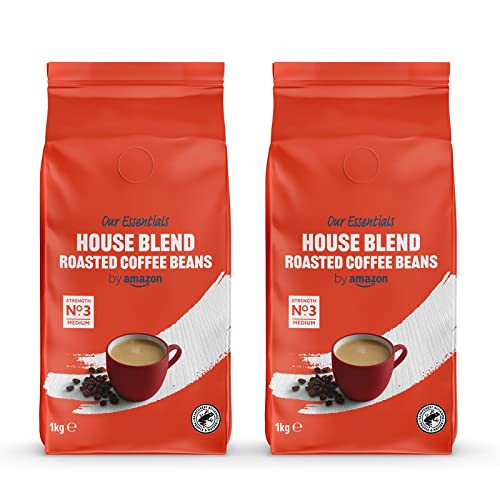 Benefits of Buying a Coffee Bean 1kg in Bulk
If you're a coffee enthusiast and know the importance of using top-quality beans for your daily brew. If you decide to buy coffee beans 1kg, it's a smart choice for your wallet, taste buds and the planet. Making purchases in bulk permits experimentation with grind sizes, brewing techniques, and blends that enrich your coffee experience.
Benefits
Whether you are trying to improve your health or enjoy a great cup of coffee, you will enjoy the benefits of purchasing 1kg coffee beans price uk of coffee beans. These beans are a rich source of antioxidants and other nutrients that are beneficial for your body, such as riboflavin, potassium, magnesium, and zinc. However, it is essential to consume these in moderation.
Green espresso coffee beans 1kg beans have been proven to boost metabolism, burn fat and lower cholesterol. They also reduce blood pressure and stop blood glucose spikes. In addition, they have neuroprotective properties and block the production of acetylcholinesterase. This is the chemical responsible for those "out of it" feeling. They also improve concentration and reaction time.
Consuming too much coffee can trigger insomnia, anxiety, and heart palpitations. If you drink it in the right amounts it can help keep you productive and focused all day. The caffeine in coffee beans boosts your brain activity and improves short-term memory, which is the reason many people rely on it to get through long work hours.
Before 1kg coffee beans price beans are roasting, they must be harvested and dried. The method of harvesting is different according to the type of plant and the location. The beans are removed from the fruit, also known as a coffee cherry, using different methods. Some farmers harvest the cherries by hand, while others employ large machines to remove the beans.
The beans are then spread out to dry. This takes 10-14 days. During this period, the beans have to be turned frequently to ensure even drying. After they have dried completely, they can be roasted.
It is crucial to select the correct grind for your coffee beans. This will determine how well the coffee is brewed and its flavor. In general, lighter roasts are sweeter and more acidic, while darker roasts tend to be smoky and bitter. It is important to experiment to find the best grind for your needs. The origin of the bean also has an influence on the taste. For instance beans from Central and South America tend to be balanced and mild, while beans from Africa have fruity or floral notes.
Savings
Bulk coffee beans offer significant savings. You can buy a kilogram for the same price as smaller quantities. You can now enjoy a fresher tasting coffee for only a fraction of the cost.
In addition that, bulk purchases are often accompanied with free shipping and discounts, which further reduces the cost of your purchase. The savings you can make have a significant impact particularly for regular coffee drinkers.
Another benefit of buying coffee beans in large quantities is that they can last longer than smaller counterparts. If you buy in bulk, your beans will stay fresh for a period of weeks which means you'll have more cups of coffee to enjoy before they turn getting old. This is a great option to save money on coffee, especially for people who enjoy drinking many cups of coffee each day.
A kilogram of coffee beans can last approximately 4-6 weeks if stored properly. To keep your beans safe ensure that you use an airtight container that pushes air out, such as a CoffeeVac or Fellow Atmos. Once your beans are used up, refill the container and keep it in a cool, dark place. This will allow the beans last longer, and they'll taste great right until the very end!
You can also put coffee beans 1kg in a freezer to extend their shelf life. It's important to remember that freezing coffee beans can alter the taste. It's recommended to keep them in the refrigerator when you're limited in freezer space. After opening your coffee beans it's an excellent idea to separate them into jars, or plastic bags. This will ensure that they're only exposed to oxygen for a single time and then you're ready make them into a cup!
A kilo not only save you money, but it will help you find your preferred flavor profile. Having a variety of whole bean coffees at your disposal allows you to play around with different grind sizes, brewing methods, and blends. This flexibility to experiment can enhance your coffee experience, resulting in every cup a potential new discovery!
Experimentation
Like all vascular plants, the coffee plant uptakes mineral elements and micronutrients from the soil. The amount of soil absorbed depends on the type of plant, its age, its root distribution, the chemical and physical nature of the soil, (pH, Eh), the proportions of various elements, the use of fertilizers and other factors. So, it's not surprising that certain species of plants are more prone to higher concentrations of radionuclides and heavy elements than others.
All of these variables could affect the 210Po level in the final cup. The 210Po concentration in the brewed coffee beverage is affected by a variety of factors such as roasting and storage. To study the effects of these processes, a range of ground coffees that are available for sale were analyzed. The 210Po concentration was determined in the raw green and roasted coffee beans as well as in the final brewed coffee. Also, the 210Po loss during roasting was investigated.
The temperature of coffee beans influences the distribution of particle size as shown in Figure. 4. In the process of grinding, particles are heated by their surroundings. They then accelerate and agglomerated. The size of particles decreases as a result. The distribution of modal size is clearly bimodal, with lots of small particles, and a handful of large ones.
This imbalance in distribution could have a major impact on the quality and flavor of the final product. For instance, the tiniest particles have the highest surface area, and thus contribute the most to the bitterness of poorly roasted coffee. Additionally they are more prone to being infected by impurities.
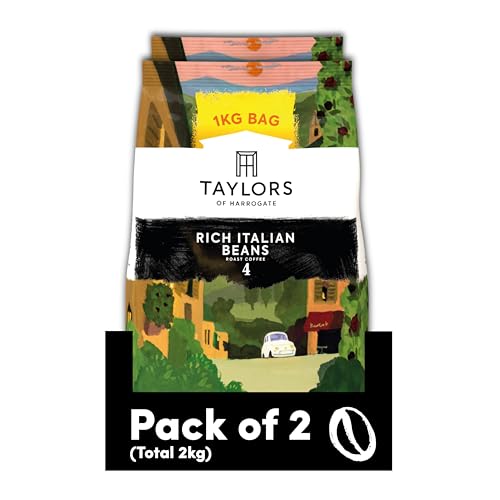 The process of making and processing coffee creates a significant ecological footprint. Emissions from the growing phase have been estimated to comprise around 7-8% of the total carbon footprint, with the rest coming from export and milling. In an earlier LCA study on sustainable coffee production, it was found that 77% reduction in carbon footprint can be achieved by reducing agrochemicals.
댓글목록 0
댓글 포인트 안내