

Mobility Scooters Road Or Pavement: The Good, The Bad, And The Ugly
Wayne
2024.07.27 03:48
87
0
본문
The Basics of Using a Mobility Scooter on the Pavement
Mobility scooters can be a lifesaver for those who are struggling with maintaining their prior levels of physical health. They can travel longer distances and are capable of getting out and about more easily.
Class two scooters should not be driven at speeds greater than 4 mph on the road, and not on cycle lanes, bus lanes or on sidewalks. They should not be driven on dual-carriageways unless they have an amber flashing lamp.
Scooters on the road
Mobility scooters are a popular and convenient mode of transportation for people who are unable to walk, but they should be used with caution. Drivers must not only maintain their vehicle in line with the guidelines provided by the manufacturer however, they must also abide by local regulations and be aware that pedestrians and other vehicles are at risk. The first step is familiarizing yourself with local regulations and guidelines for the use of mobility scooters.
In general, scooters should be used on sidewalks or pedestrian paths and not on roads. They are not designed to withstand the pressure and speed of vehicular travel and can cause injury or damage to other road users. Scooters can be slower to stop and are more difficult to see. Therefore, it is essential to wear a reflective jacket and keep your eyesight current while riding a scooter the road.
Certain municipalities limit the places you can ride a mobility scooter, but generally, it is safe to ride on most streets. In areas with low visibility it is recommended you use a mirror that faces forward and headlights. You should also consider using a rear-view mirror in order to be able monitor other vehicles and obstacles. If you are unsure of how to operate the ebay mobility scooters 8mph scooter, it is recommended to take a class that is offered by local insurance firms or schools.
Class 3 mobility scooters are allowed on the roads however they should not be used in bus lanes, cycle lanes or any other designated lane. Avoid using them on dual carriageways when the speed limit is over 50 mph. It's also recommended to outfit your scooter with a flashing amber light to improve its visibility.
Another important consideration when riding on a scooter is to ensure that it's visible to other motorists. You should also ensure that your scooter is fitted with a sufficient lighting system in order to reduce the risk for collisions. Avoid driving a scooter at night, as it is dangerous for both you and other road users.
Scooters on the pavement
There's no doubt that mobility scooters have given many people across the UK the ability to navigate their surroundings without difficulty. It's important to remember that these vehicles are classified as a vehicle type and should be used with caution. Many new users of mobility scooters aren't aware of the regulations and rules that apply to them. This article will discuss the fundamentals of operating an electric scooter on the road and how to do it safely.
There are two kinds of mobility scooters that are class 2 and 3. Class 2 scooters are allowed to be driven on the pavement and in pedestrian zones They have the speed limit of 4 mph. Class 3 scooters are driven on both the road and the pavement, and their speed can be increased to 8 mph.
As a general rule it is illegal to operate any scooter in the cycle lanes or bus lanes. This is to prevent accidents between scooter drivers and motorists. It is also illegal to park a scooter on a sidewalk if it will hinder pedestrian access or cause an obstruction.
Pedestrians should always give way to the other pedestrians on the pavement including wheelchair users as well as those using prams or pushchairs. Mobility scooters are dangerous for pedestrians due to the fact that they are heavy and speedy. This is especially true if the pedestrians aren't paying attention or have hearing or vision limitations.
It is important to keep in mind that most shops have doors designed for wheelchairs, or smaller pavement scooters. It's also important to keep in mind that you should move at a jogging speed not exceeding 4 mph, as shoppers tend to walk slower in the shops.
If you intend to use your mobility scooter on public transportation, you should make sure that it's signed up to the Confederation for Passenger Transport's code for boarding and exiting buses. It is common for you to be required to attend a class to be able to utilize your mobility scooter when taking buses.
Scooters on the streets
Mobility scooters are used by some older adults to move around. They can help them remain independent and delay their need to enter a facility for assisted living. However, they must be aware of the rules of the road and how to operate their scooter in a safe manner. For example, they should wear a helmet and keep it well-maintained and avoid riding in poor weather. Also, they must adhere to all traffic laws and be sure to stay on the right side of the road.
Many municipalities restrict the roads that mobility scooters on road scooters are allowed to be driven to ensure safety and avoid congestion. Scooters are designed to be used on sidewalks and pedestrian areas. Allowing them on roads could hinder traffic flow. These restrictions are not always observed, so it's important that you know the local laws.
Mobility scooters are not generally permitted on highways or in high-traffic zones, even though they go faster than cars. They are also not permitted to use cycle lanes or bus lane which could pose a risk to drivers and other road users. If you're not sure of the rules in your region it is recommended to get insurance for your scooter.
Mobility scooters can be utilized on sidewalks and in other areas for pedestrians. They should be operated at a sensible speed. So, they don't present a risk to pedestrians or hinder traffic. They must also obey all traffic signals and use designated crosswalks when crossing the street. In addition, they must be visible to pedestrians by wearing bright clothing and utilizing reflective equipment.
It is not a legal requirement to have your scooter insured however it is recommended. It will safeguard you from any accident or loss, and will cover repair costs in the event that an unavoidable failure occurs. You can also consider investing in additional equipment like reflectors or a flag for your scooter to increase visibility and make you stand out. It is also advisable to think about breakdown insurance because it can be helpful if your scooter breaks down in the middle of the road.
Scooters in the car park
Mobility scooters are a great source of independence and freedom for those with limited mobility. They allow users to travel within their area without having to rely on the timetables of friends or family members. They are also a great option to get to local cafes and shops. However, the growing popularity of these vehicles could have a number of positive and negative effects on urban environments.
Some areas may not be equipped to allow scooters on sidewalks or pathways, despite the fact that the majority of countries allow. The scooters are too heavy and massive to be able to maneuver through these spaces. Also, some obstacles such as trees or garbage bins may make it difficult for them to move. They are also utilized by elderly people who have limited mobility. This makes them more vulnerable to falling.
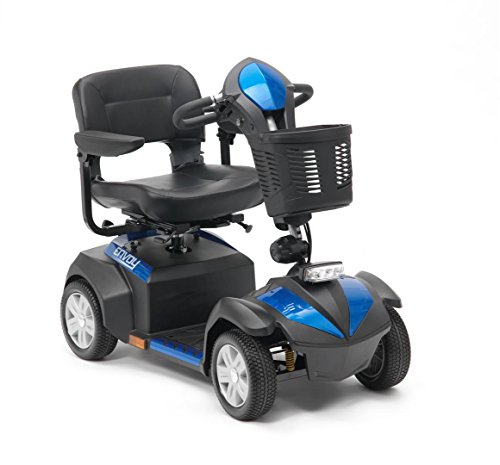 It is important to know the laws and regulations that govern scooter use in public. In the UK, for example all scooters have to be driven at no more than 4 mph in areas that are pedestrian-friendly and on pavements. In addition, they should not be parked on sidewalks because it could block the entryway of other pedestrians.
It is also important to be aware that scooters are not allowed to be driven on cycle lanes or bus lanes, and must not be parked where they block access for other people who require mobility scooters. In addition, scooters must not be driven on dual carriageways unless they are equipped with an amber light that flashes continuously.
Scooters can also be parked on disabled parking spaces provided they have an accessible ramp, and they are in compliance with all applicable laws. Although these rules are uniform across the country, it is important to check local laws to ensure you are not in violation of any of them.
The rising popularity of mobility scooters in the UK has brought with it the need for adequate parking for these vehicles. The parking spaces should be close to the users' homes and close to the destinations they frequent. Ideally these spaces should be secured from weather and theft. In this way, the growing presence of scooters can positively influence the design of urban environments by creating a safe and secure space for scooter riders and pedestrians.
Mobility scooters can be a lifesaver for those who are struggling with maintaining their prior levels of physical health. They can travel longer distances and are capable of getting out and about more easily.
Class two scooters should not be driven at speeds greater than 4 mph on the road, and not on cycle lanes, bus lanes or on sidewalks. They should not be driven on dual-carriageways unless they have an amber flashing lamp.
Scooters on the road
Mobility scooters are a popular and convenient mode of transportation for people who are unable to walk, but they should be used with caution. Drivers must not only maintain their vehicle in line with the guidelines provided by the manufacturer however, they must also abide by local regulations and be aware that pedestrians and other vehicles are at risk. The first step is familiarizing yourself with local regulations and guidelines for the use of mobility scooters.
In general, scooters should be used on sidewalks or pedestrian paths and not on roads. They are not designed to withstand the pressure and speed of vehicular travel and can cause injury or damage to other road users. Scooters can be slower to stop and are more difficult to see. Therefore, it is essential to wear a reflective jacket and keep your eyesight current while riding a scooter the road.
Certain municipalities limit the places you can ride a mobility scooter, but generally, it is safe to ride on most streets. In areas with low visibility it is recommended you use a mirror that faces forward and headlights. You should also consider using a rear-view mirror in order to be able monitor other vehicles and obstacles. If you are unsure of how to operate the ebay mobility scooters 8mph scooter, it is recommended to take a class that is offered by local insurance firms or schools.
Class 3 mobility scooters are allowed on the roads however they should not be used in bus lanes, cycle lanes or any other designated lane. Avoid using them on dual carriageways when the speed limit is over 50 mph. It's also recommended to outfit your scooter with a flashing amber light to improve its visibility.
Another important consideration when riding on a scooter is to ensure that it's visible to other motorists. You should also ensure that your scooter is fitted with a sufficient lighting system in order to reduce the risk for collisions. Avoid driving a scooter at night, as it is dangerous for both you and other road users.
Scooters on the pavement
There's no doubt that mobility scooters have given many people across the UK the ability to navigate their surroundings without difficulty. It's important to remember that these vehicles are classified as a vehicle type and should be used with caution. Many new users of mobility scooters aren't aware of the regulations and rules that apply to them. This article will discuss the fundamentals of operating an electric scooter on the road and how to do it safely.
There are two kinds of mobility scooters that are class 2 and 3. Class 2 scooters are allowed to be driven on the pavement and in pedestrian zones They have the speed limit of 4 mph. Class 3 scooters are driven on both the road and the pavement, and their speed can be increased to 8 mph.
As a general rule it is illegal to operate any scooter in the cycle lanes or bus lanes. This is to prevent accidents between scooter drivers and motorists. It is also illegal to park a scooter on a sidewalk if it will hinder pedestrian access or cause an obstruction.
Pedestrians should always give way to the other pedestrians on the pavement including wheelchair users as well as those using prams or pushchairs. Mobility scooters are dangerous for pedestrians due to the fact that they are heavy and speedy. This is especially true if the pedestrians aren't paying attention or have hearing or vision limitations.
It is important to keep in mind that most shops have doors designed for wheelchairs, or smaller pavement scooters. It's also important to keep in mind that you should move at a jogging speed not exceeding 4 mph, as shoppers tend to walk slower in the shops.
If you intend to use your mobility scooter on public transportation, you should make sure that it's signed up to the Confederation for Passenger Transport's code for boarding and exiting buses. It is common for you to be required to attend a class to be able to utilize your mobility scooter when taking buses.
Scooters on the streets
Mobility scooters are used by some older adults to move around. They can help them remain independent and delay their need to enter a facility for assisted living. However, they must be aware of the rules of the road and how to operate their scooter in a safe manner. For example, they should wear a helmet and keep it well-maintained and avoid riding in poor weather. Also, they must adhere to all traffic laws and be sure to stay on the right side of the road.
Many municipalities restrict the roads that mobility scooters on road scooters are allowed to be driven to ensure safety and avoid congestion. Scooters are designed to be used on sidewalks and pedestrian areas. Allowing them on roads could hinder traffic flow. These restrictions are not always observed, so it's important that you know the local laws.
Mobility scooters are not generally permitted on highways or in high-traffic zones, even though they go faster than cars. They are also not permitted to use cycle lanes or bus lane which could pose a risk to drivers and other road users. If you're not sure of the rules in your region it is recommended to get insurance for your scooter.
Mobility scooters can be utilized on sidewalks and in other areas for pedestrians. They should be operated at a sensible speed. So, they don't present a risk to pedestrians or hinder traffic. They must also obey all traffic signals and use designated crosswalks when crossing the street. In addition, they must be visible to pedestrians by wearing bright clothing and utilizing reflective equipment.
It is not a legal requirement to have your scooter insured however it is recommended. It will safeguard you from any accident or loss, and will cover repair costs in the event that an unavoidable failure occurs. You can also consider investing in additional equipment like reflectors or a flag for your scooter to increase visibility and make you stand out. It is also advisable to think about breakdown insurance because it can be helpful if your scooter breaks down in the middle of the road.
Scooters in the car park
Mobility scooters are a great source of independence and freedom for those with limited mobility. They allow users to travel within their area without having to rely on the timetables of friends or family members. They are also a great option to get to local cafes and shops. However, the growing popularity of these vehicles could have a number of positive and negative effects on urban environments.
Some areas may not be equipped to allow scooters on sidewalks or pathways, despite the fact that the majority of countries allow. The scooters are too heavy and massive to be able to maneuver through these spaces. Also, some obstacles such as trees or garbage bins may make it difficult for them to move. They are also utilized by elderly people who have limited mobility. This makes them more vulnerable to falling.
It is important to know the laws and regulations that govern scooter use in public. In the UK, for example all scooters have to be driven at no more than 4 mph in areas that are pedestrian-friendly and on pavements. In addition, they should not be parked on sidewalks because it could block the entryway of other pedestrians.It is also important to be aware that scooters are not allowed to be driven on cycle lanes or bus lanes, and must not be parked where they block access for other people who require mobility scooters. In addition, scooters must not be driven on dual carriageways unless they are equipped with an amber light that flashes continuously.
Scooters can also be parked on disabled parking spaces provided they have an accessible ramp, and they are in compliance with all applicable laws. Although these rules are uniform across the country, it is important to check local laws to ensure you are not in violation of any of them.
The rising popularity of mobility scooters in the UK has brought with it the need for adequate parking for these vehicles. The parking spaces should be close to the users' homes and close to the destinations they frequent. Ideally these spaces should be secured from weather and theft. In this way, the growing presence of scooters can positively influence the design of urban environments by creating a safe and secure space for scooter riders and pedestrians.

댓글목록 0
댓글 포인트 안내